Where to Find Authentic Caribbean Food in Denver
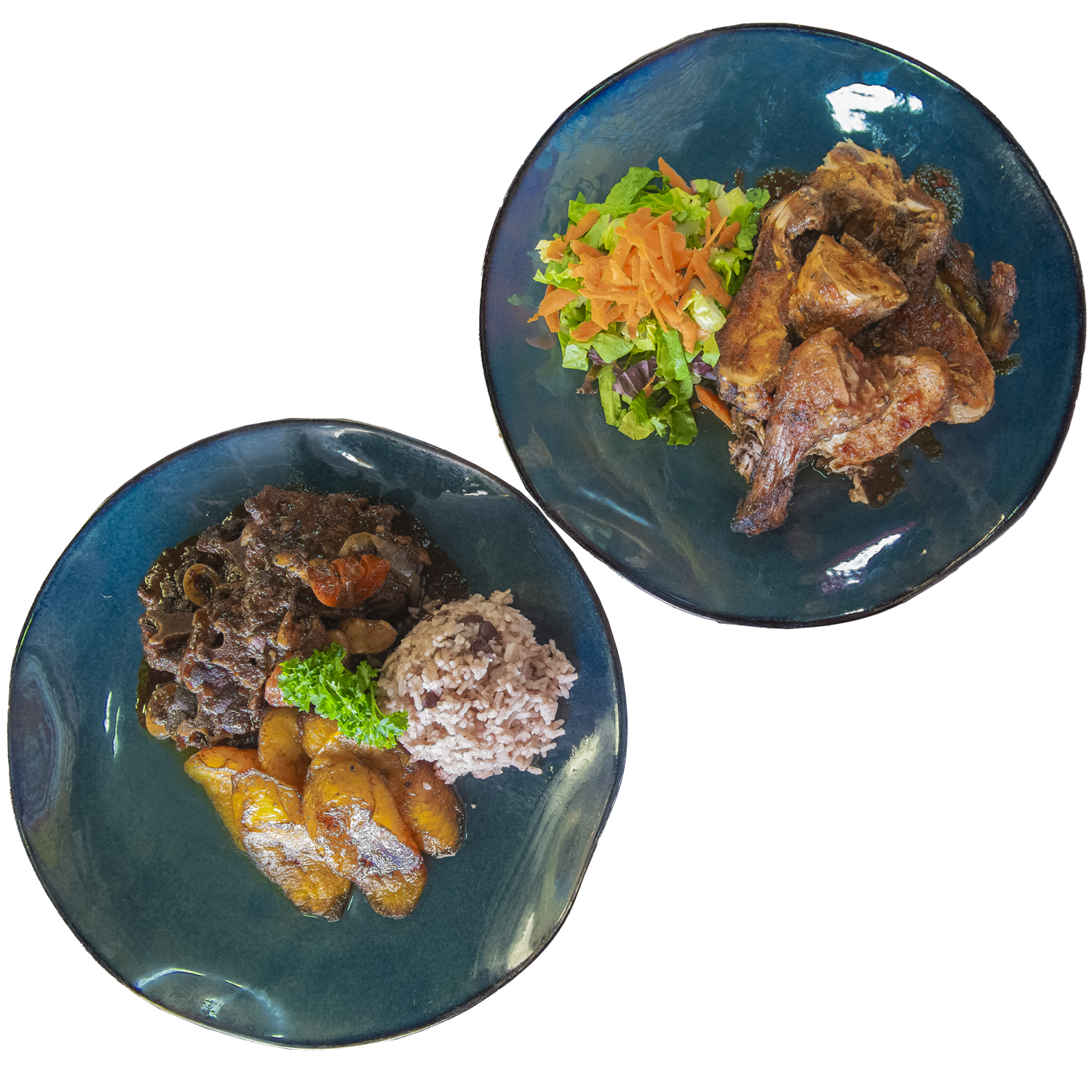
Finding truly satisfying Caribbean food in Denver takes a caribbean food denver little more effort than finding tacos, pho, or green chile, but that is part of the appeal. The city does have Caribbean cooking, and some of it is excellent. You just have to know what you are looking for, and just as important, what you are not.
Denver is not a city with one obvious Caribbean enclave where every block gives you jerk smoke, roti skins, and pastelitos cooling behind the counter. The scene is smaller, more scattered, and often tucked into strip malls, family-run cafés, shared commercial kitchens, food trucks, church events, and weekend pop-ups. That can frustrate people who expect a neat neighborhood map. It can also reward anyone willing to follow the food rather than the branding.
When people search for “caribbean food denver,” they are often looking for one thing and using a broad term. Sometimes they want Jamaican jerk chicken. Sometimes they are craving Cuban sandwiches and strong coffee. Sometimes they mean Puerto Rican pernil, Trinidadian doubles, Dominican stewed chicken, or Haitian griot. These are not interchangeable. The flavors overlap in places, but each island has its own spice logic, starches, sauces, and comfort foods. If you want the real thing, the first step is narrowing the craving.
Denver’s Caribbean scene is real, but it is not centralized
The most useful thing to know before you start driving around is that Denver’s best Caribbean food rarely announces itself with polished marketing. In many cases, the places worth your time are modest operations with short menus and irregular hours. Some are in Denver proper. Some are in Aurora, Lakewood, or other nearby pockets of the metro area. If your definition of Denver includes the larger urban area where people actually eat and work, your options improve considerably.
That matters because authenticity here often looks humble. A small Jamaican kitchen may have a handwritten sign, a steam table, and a dining room that is more practical than stylish. A Cuban bakery may be busiest in the morning, long before dinner-seekers think to stop in. A Puerto Rican cook may only sell pasteles or arroz con gandules on certain days. The city’s Caribbean cooking lives in these practical rhythms, not in curated aesthetics.
If you are serious about finding the best caribbean food denver has to offer, widen your search beyond downtown. The neighborhoods and suburban corridors with larger immigrant communities, more affordable commercial rent, and more working-class lunch traffic tend to produce better meals than highly designed caribbean food denver central locations built mainly for nightlife.
Start your search in Aurora and along East Colfax
Aurora is one of the strongest places to begin. It has the cultural mix, the strip mall geography, and the everyday customer base that allow specialized regional food to survive. East Colfax, especially as it pushes into Aurora, has long been one of the most reliable corridors for small immigrant-owned restaurants in general. Caribbean food fits naturally into that landscape.
This is where you are more likely to find Jamaican kitchens serving jerk chicken, oxtail, curry goat, patties, and rice and peas without trying to sand down the flavors for a generic audience. A place that smells like allspice, thyme, scallion, and smoke before you even open the door is usually a good sign. So is a steam table that looks like people have been ordering from it steadily since lunch.
One thing I have learned from eating Caribbean food in cities without a huge Caribbean population is that lunch often tells you more than dinner. At lunch, the kitchen cooks for regulars, workers, and people who know exactly what they want. If a restaurant feels alive between 11:30 and 2:00, that usually means the food has a built-in audience. If you walk in at noon and the braised meats look freshly turned, the gravy is glossy, and the person in front of you orders without looking up at the menu, you are probably in the right place.
Aurora is also where you have a better shot at finding food that is less simplified. A menu with escovitch fish, callaloo, cabbage, festival, curry shrimp, or soup on weekends generally signals a kitchen cooking from habit rather than trend.
Jamaican food tends to be the anchor
In most inland American cities, Jamaican cooking is the Caribbean cuisine that gains the strongest foothold first, and Denver follows that pattern. That is good news, because Jamaican food travels well when it is handled properly. It is bold, aromatic, deeply savory, and often built around dishes that hold up in steam tables without losing their soul.
The standard order at a serious Jamaican spot is not necessarily jerk chicken, though that is what many first-time customers go for. Jerk is important, but so are the slow braises. Oxtail should come soft enough to pull apart with a fork, its sauce dark and rich, often with butter beans folded into the gravy. Curry goat should carry warmth and earthiness, not just generic curry powder. Brown stew chicken should taste sweet, salty, peppery, and faintly caramelized from browning sauce and long simmering. Rice and peas should be fragrant in their own right, not a blank side dish.
A lot of disappointment with Caribbean food in cities like Denver comes from ordering the most familiar item at the wrong place. Dry jerk with a sugary sauce tells you very little about the kitchen except that it knows what tourists recognize. Order one braised dish and one side that requires care, and you will learn much more. If the cabbage is seasoned properly and the plantains are actually ripe and sweet, the kitchen is paying attention.
Cuban food requires a different radar
People searching for Caribbean food in Denver are often really searching for Cuban food, but Cuban food in the Mountain West can be uneven because many customers reduce it to sandwiches. A proper Cuban sandwich is worth chasing, but a sandwich alone does not tell you whether the kitchen understands the broader tradition.
Look for places that also take breakfast and bakery seriously. A counter with croquetas, pastelitos, guava pastries, café cubano, and a few daily hot dishes usually has deeper roots than a spot built around one pressed sandwich. If roast pork tastes genuinely marinated rather than simply roasted, if black beans are silky and savory, if the bread is right, and if the coffee program feels essential rather than ornamental, you are closer to the real thing.
Lakewood and parts of the broader west side can sometimes yield better Cuban options than people expect. That is because bakery-café models, which are common in Cuban food culture, need regular neighborhood traffic more than destination diners. It is worth getting out of the central city for that reason alone.
The best Cuban meals also reveal an economy of seasoning that differs from some other Caribbean cuisines. You are not necessarily looking for chile heat. You are looking for garlic, citrus, pork fat, onions, and patient cooking. A plate can seem simple and still be very good. In fact, if every bite screams at you, something is probably off.
Puerto Rican and Dominican food may show up more quietly
Puerto Rican and Dominican food in Denver tends to be less visible than Jamaican or Cuban food, but it appears in catering businesses, pop-ups, bakery counters, and hybrid Latin restaurants. This is where a lot of locals miss out. They look only for stand-alone, fully branded Caribbean restaurants, when some of the best cooking is happening inside broader Latin food operations or as special weekend menus.
If you find a cook making pernil with proper crackling, arroz con gandules that actually tastes of sofrito and pork, or mofongo made to order rather than as an afterthought, stop and remember the name. These dishes take labor, and the people making them often build loyal followings before they build larger dining rooms.
Dominican cooking deserves the same patience. The food can look modest on the plate, but that is not the same as ordinary. Well-seasoned stewed chicken, moro rice, maduros, and beans can be every bit as satisfying as a more dramatic dish. In many cases, authenticity reveals itself not through novelty but through proportion. The rice is right. The beans are right. The meat is right. The whole plate makes sense together.
One reason these cuisines can be hard to track in Denver is that they are often sold where communities gather, not where food media tends to look. Pay attention to local markets, community events, and social media accounts run by cooks rather than influencers. The quality gap can be enormous.
What “authentic” usually looks like on the plate
Authenticity is a loaded word, and anyone who cooks professionally will tell you it is not as simple as checking whether a dish matches a single grandmother’s version. Recipes shift by island, town, and household. Ingredient substitutions happen. Restaurants adapt. Still, after enough meals, patterns emerge.
Here are the signs I trust most when I am judging a Caribbean restaurant in Denver:
- The sides are treated seriously, not as filler.
- The menu includes dishes locals order, not only the greatest hits.
- The seasoning tastes layered, with herbs, aromatics, and time, not just salt and sugar.
- The staff can tell you what is best that day without reciting a script.
- The room has regulars, especially at lunch or on weekends.
That list matters because weak Caribbean food often fails in exactly those areas. The rice is generic. The plantains are pale. The cabbage is watery. The jerk sauce tastes bottled. The menu says “island” but could be from anywhere. Good Caribbean cooking, even in a small shop in a Denver strip mall, has specificity.
Food trucks and pop-ups can outperform full restaurants
Denver’s cost structure is hard on small independent restaurants, and Caribbean operators feel that pressure like everyone else. Rent is expensive, labor is tight, and specialized ingredients can be a headache. For that reason, some of the city’s most compelling Caribbean cooking shows up in food trucks, catering businesses, or pop-ups rather than brick-and-mortar dining rooms.
This is not a compromise. In some cases, it is an advantage.
A focused pop-up that serves three dishes can outperform a full restaurant trying to please too many people. If a cook only has to nail jerk pork, curry chicken, and beef patties for one service, the results can be excellent. The same goes for a truck that specializes in Trinidadian doubles or Jamaican patties. Less menu sprawl often means better execution.
The trade-off is reliability. You may need to follow social accounts, watch for market appearances, or pre-order. If you are the kind of diner who wants a table at 7:00 on a random Tuesday, this model will test your patience. If you care more about flavor than convenience, it is one of the best paths to memorable food.
How to order if you want the kitchen’s best work
If it is your first visit to a Caribbean place in Denver, resist the urge to order the safest, most Americanized item and assume that tells you the whole story. Ask what came out well that day. Ask whether any soups, braises, or specials are limited. Ask if the patties are made in-house. People who care about their food usually brighten when you show genuine curiosity.
At Jamaican spots, I often tell friends to split two entrées if they are dining together. Get one grilled or roasted item, like jerk chicken, and one braised dish, like oxtail or curry goat. Add a patty if available. That spread will tell you far more than one plate by itself.
At Cuban cafés, do not skip the coffee or pastry case, especially in the morning. A place that handles café cubano and guava pastries well is often sending a signal about its standards overall. At Puerto Rican or Dominican spots, watch for whether the kitchen seems most confident with lunch plates rather than made-for-delivery menu bloat.
This is one of those cuisines where side dishes matter enough to shape the whole impression. A restaurant that gets plaintains, beans, rice, and cabbage right can recover from a less-than-perfect piece of chicken. A restaurant with flat sides usually cannot hide behind a well-seasoned protein.
Denver’s geography shapes the experience
One practical reality of eating Caribbean food in Denver is that the best meal may not be close to where you are staying. Visitors who stick to LoDo, RiNo, or downtown hotel corridors often decide the city lacks depth. More often, they have simply limited themselves to the wrong geography.
The better strategy is to think in drives rather than neighborhoods. If you are willing to head into Aurora, parts of Lakewood, or less polished commercial strips outside the urban core, the odds improve. Denver is a driving city, and its immigrant food map reflects that. Great cooking often lives where leases are manageable and families can build a repeat customer base.
That also means parking is usually easier than people fear, portions are often generous, and the atmosphere can feel unpretentious in the best possible way. You are there to eat, not to decode a concept.
Price, portions, and what good value actually means
Authentic Caribbean food in Denver is not always cheap, and that surprises some diners. Oxtail is expensive everywhere now. Goat is not a budget protein. Imported ingredients, small-scale operations, and rising supply costs affect these businesses just like everyone else. If a plate costs more than you expected five years ago, that is not necessarily a red flag.
Value comes from depth of flavor, portion balance, and care. A tray with tender braised meat, properly seasoned rice, vegetables that taste intentional, and a sauce that clearly took time can justify a higher price. A giant box of dry jerk chicken and plain rice cannot.
One thing I appreciate about the better Caribbean spots in Denver is that they often still cook with generosity even when margins are tight. You may not get a bargain, but you often get a meal that feels like somebody wanted to feed you properly. That counts for a great deal.
If you are chasing a specific island, call ahead
This may sound old-fashioned, but it saves disappointment. Menus online are frequently outdated, especially for smaller family-run restaurants. Hours can shift. Weekend specials come and go. A place may be out of patties by midafternoon or only make soup on Saturdays. Calling ahead is not fussy. It is practical.
It also helps with dishes that require a little extra commitment from the kitchen. Fresh fish, certain stews, holiday foods, and labor-heavy items are less likely to be available all the time. If you are looking for something specific, especially a dish tied to one island tradition, asking first is respectful to both you and the business.
The best Caribbean food in Denver often rewards that extra step. The city does not hand these meals to you effortlessly. You track them down, show up hungry, and learn who is cooking what.
The real pleasure is in the specificity
What makes Denver’s Caribbean food scene worth exploring is not abundance. It is character. A bowl of goat curry that tastes clearly Jamaican, not generic “island.” A Cuban pastry case that feels tied to someone’s daily life, not someone’s branding exercise. A weekend plate sold from a modest counter that reminds you how much culinary memory can fit into rice, beans, pork, and plantains.
That is how I would approach the search. Do not look for one perfect, all-purpose Caribbean restaurant and call the mission complete. Look for cooks who do one tradition well. Follow the neighborhoods where those businesses can survive. Be willing to drive. Eat lunch. Order the sides. Ask questions. Notice who else is in the room.
For anyone typing “caribbean food denver” into a search bar and hoping for a shortcut, that is the honest answer. The authentic version exists here, but Denver makes you earn it a little. When you find the right place, the reward is immediate, fragrant, and unmistakable.
Reggae Pot Jamaican Grill
2243 S Monaco St Pkwy, Suite 104
Denver, CO 80222
(720) 410-2956
FAQ About caribbean food denver
What is a typical Caribbean meal?
Caribbean cuisines vary by island. A Jamaican meal might pair jerk chicken or oxtail with sides such as rice and peas, cabbage, or fried plantains.
What is Jamaica’s national dish?
Ackee and saltfish is widely recognized as Jamaica’s national dish. Check the current menu for availability.
Is Caribbean jerk the same as Jamaican jerk?
Jerk is a Jamaican cooking tradition associated with seasoning and slow cooking or grilling. The exact heat level and preparation vary by cook.