Discover Authentic Caribbean Food Denver Foodies Recommend
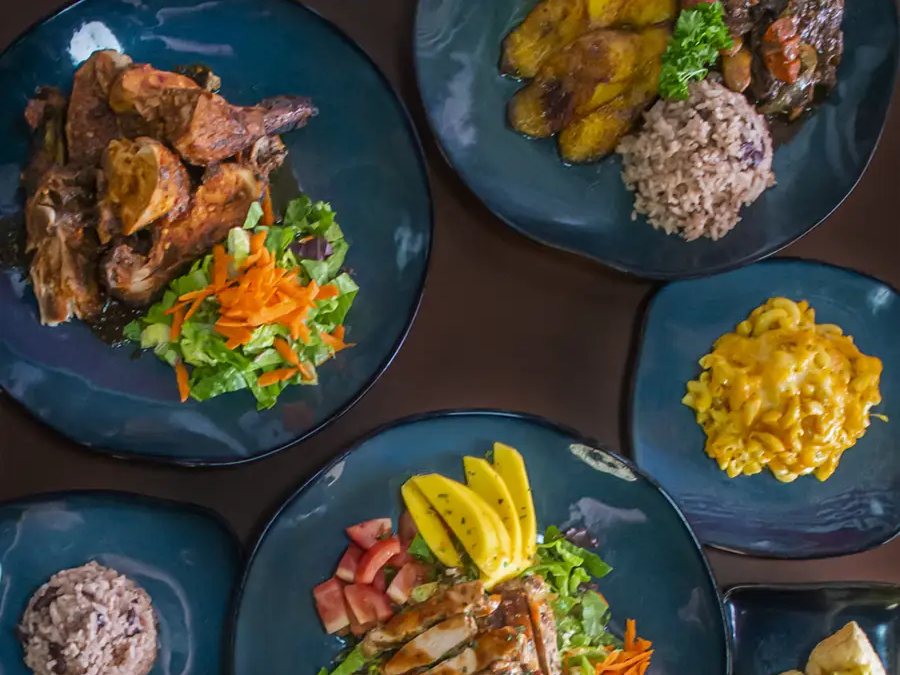
Denver is not the first city people associate with Caribbean cooking, and that is exactly why the best meals can feel like such a find. caribbean food denver You turn off a busy avenue, step into a small dining room with music low in the background, and suddenly the air changes. Scotch bonnet, thyme, allspice, slow-braised meat, fried plantains, maybe the warm sweetness of coconut rice. The city’s Caribbean scene is not huge, but it has depth where it counts. The strongest kitchens cook with patience, confidence, and a clear sense of memory.
Anyone searching for caribbean food denver options usually wants more than a generic island theme. They want food with personality. They want jerk that carries smoke and spice rather than bottled sweetness. They want curry with real body. They want oxtail that yields to a fork. They want a plate that feels as if somebody in the back has made it the same way hundreds of times before.
That is the difference between food inspired by the Caribbean and food rooted in it. Denver has both. If you know what to look for, and if you order with a little strategy, you can eat very well.
What “authentic” really means in Caribbean cooking
Authenticity gets handled carelessly in food writing, usually as a blunt label. Caribbean food deserves better because there is no single Caribbean cuisine. Jamaican cooking tastes different from Trinidadian cooking. Puerto Rican food has a different rhythm from Haitian food. Cuban food pulls from its own history of migration, trade, and adaptation. Even within one island, dishes shift from parish to parish, household to household.
So when Denver food lovers recommend an authentic Caribbean spot, they usually mean a few practical things. The menu reflects a specific tradition instead of flattening several islands into one vague idea. The seasoning tastes layered rather than loud. The starches matter as much as the proteins. The kitchen respects the long game, marinating, stewing, braising, resting, frying to order. Most of all, the food tastes personal.
I have learned over time that the most reliable sign is not a wall covered with tropical colors or a menu packed with every famous island dish. It is restraint. A kitchen that does three or four things beautifully often understands its lineage far better than one trying to perform the whole Caribbean in a single meal.
Why Denver’s scene rewards curiosity
Denver’s food culture has matured quickly over the last decade. Diners here will stand in line for regional Mexican cooking, seek out hand-pulled noodles, and drive across the metro area for the right bowl of pho. Caribbean food benefits from that same curiosity. It may not dominate the city’s dining conversation, but the people looking for it tend to care.
That matters because Caribbean restaurants often thrive on regulars before they become destination spots. A place with truly good braised goat or a proper roti does not always sit on the highest traffic block. Sometimes it lives in a strip mall, a mixed-use neighborhood storefront, or a modest café whose reputation has spread mostly by word of mouth. Denver is full of diners willing to make that extra trip if the payoff is real.
The other reason the scene is interesting is the city’s appetite for heat and smoke. That makes Denver a natural home for jerk, pepper sauces, grilled chicken, and slow-cooked meats. Local diners also tend to appreciate hearty portions and comfort food with bold seasoning, two qualities Caribbean cooking delivers with ease.
The flavors that define a serious Caribbean kitchen
A strong Caribbean plate is rarely about one note. Even when the heat is high, it should not erase everything else. Good cooks build flavor in layers, often starting with aromatics and fresh herbs, then adding spice, then acid, then time.
Jamaican jerk is the best example of how often this gets misunderstood. At its best, jerk is not simply “spicy chicken.” It combines allspice, thyme, scallion, garlic, ginger, chilies, sometimes soy or vinegar depending on the house style, and ideally smoke from the grill. The finished meat should carry sweetness, bitterness, fire, and savoriness at once. In Denver, because not every kitchen has the exact traditional equipment or outdoor setup, you may see some adaptation. That is fine if the soul of the dish remains intact.
Braised dishes tell you even more. Oxtail should not be watery or rushed. Curry goat should taste cooked into itself, with the spice mellowed and deepened by time. Rice and peas should support the main dish rather than act as filler. Plantains should be fried with intention, caramelized and soft if ripe, crisp and starchy if green. Cabbage, often overlooked, can reveal a lot about the kitchen. When it is seasoned well, cooked just enough, and not treated as an afterthought, you are probably in good hands.
What Denver foodies look for when choosing a spot
People who care about Caribbean food in Denver usually read menus differently than casual diners. They look past broad category names and search for clues that the cooking has a center of gravity.
Here are the signs that usually matter most:
- A menu tied to a clear tradition, such as Jamaican, Cuban, Puerto Rican, Haitian, or Trinidadian, rather than a catchall island theme.
- House specialties built around slow cooking, like oxtail, curry goat, stewed chicken, or beans simmered with aromatics.
- Sides that sound intentional, especially rice and peas, fried sweet plantains, festival, cabbage, or roti.
- Heat options that suggest confidence, including jerk levels or house-made pepper sauces.
- A room full of repeat customers ordering without hesitation.
None of those signs guarantees greatness, but together they usually point you in the right direction. If a place is proud of its patties, keeps sorrel or ginger drinks on hand, and takes its time with braises, that is often worth your attention.
Start with the dishes that reveal the kitchen
If you only have one shot at a new restaurant, order in a way that gives the kitchen room to show what it does best. Fried snacks and sugary cocktails can be enjoyable, but they do not tell you nearly as much as the deeper parts of the menu.
For a first visit, these are usually the smartest choices:
- Jerk chicken, because it shows whether the seasoning has depth and whether the grill work is disciplined.
- Oxtail, because no shortcut can fake the richness of a proper braise.
- Curry goat or curry chicken, because balanced spice and tenderness are obvious on the first bite.
- A patty or roti, because dough reveals care, technique, and timing.
- Rice and peas with plantains, because the sides often separate a good plate from a forgettable one.
If one table orders three or four of these dishes to share, you can read a restaurant quickly. I have done this with friends more than once, and the pattern is reliable. One dish may be excellent almost anywhere. A full spread exposes the kitchen’s habits.
Jerk in Denver, what to expect and what not to expect
Jerk deserves its own section because it is the dish most likely to be oversold. Plenty of menus use the word. Fewer deliver the result people imagine.
In a city like Denver, where wood-smoke setups vary and restaurant ventilation rules can complicate things, you may not always get the exact roadside jerk experience you would find in Jamaica. That does not mean the dish cannot be compelling. It does mean your expectations should focus on flavor architecture rather than travel fantasy.
Good jerk in Denver should still bring char, fragrance, and real spice. The marinade should sink into the meat. The skin, if present, should have texture. The heat should bloom gradually rather than slap and vanish. If the chicken tastes mostly sweet, or if the spice mix feels powdered and superficial, the dish is probably leaning on image more than technique.
One of the easiest mistakes diners make is confusing pain with complexity. A blistering pepper sauce can be fun, but it is not a replacement for proper seasoning. The strongest kitchens understand that fire is only one part of the conversation.
Beyond Jamaica, the wider Caribbean deserves your attention
Jamaican food often gets the spotlight in American cities, partly because jerk and patties travel well and have strong name recognition. But serious Caribbean eating in Denver should go wider than that.
Cuban cooking brings different pleasures. Think slow-roasted pork with citrus and garlic, black beans that feel almost creamy, yuca with mojo, pressed sandwiches done with discipline rather than overbuilt excess. Puerto Rican food can offer deeply satisfying mofongo, pernil, arroz con gandules, and stewed dishes where sofrito forms the backbone. Trinidadian cooking introduces doubles, roti, and curries with a distinct personality. Haitian food adds remarkable depth through epis, fried pork, rice dishes, and sauces that carry both brightness and weight.
A good city scene is not measured by how many cuisines it has on paper. It is measured by whether those cuisines are represented with enough care to make someone from that tradition nod in recognition. Denver is still developing here, but the progress is tangible. Diners are more informed, and that tends to raise standards.
The sides are never just sides
If you want to know whether a Caribbean restaurant in Denver is worth a return trip, pay attention to what happens around the main protein. Too many people judge the plate entirely by the oxtail or jerk chicken and ignore the supporting cast. That is like evaluating a band by the singer alone.
Rice and peas should have aroma and life. Depending on the tradition, you may get coconut notes, thyme, scallion, or simply well-cooked grains that hold together without turning mushy. Plantains should hit that narrow window between caramelized and greasy. Macaroni pie, when available, should feel baked and structured, not scooped from a steam tray into surrender. Slaw and cabbage should refresh the plate, not merely occupy space.
I still remember a meal where the star was supposed to be curry goat, and it was very good, but the side that stayed with me was the cabbage. It had just enough bite left, a little sweetness, a little pepper, and enough savory depth to hold its own against the curry. That kind of attention changes a meal from solid to memorable.
How spice works differently across Caribbean dishes
One reason some diners hesitate to explore more of the menu is a fear that every dish will be aggressively hot. That is understandable, but not especially accurate. Caribbean cooking uses spice with nuance. Some dishes are hot by design, others are aromatic and mild, and many can be made hotter at the table with pepper sauce.
Scotch bonnet peppers bring not just heat but fruitiness. When used well, they brighten stews and marinades instead of flattening them. In milder preparations, you might notice the pepper in the perfume more than on the tongue. That is often the sign of a cook with control.
If you are new to the cuisine, ask how the kitchen handles heat rather than asking whether the food is “spicy” in a general sense. Those are not the same question. A jerk plate may be assertive. A stew may be gentle. A side sauce may be fierce. The answer tells you something about the house style and helps you order with confidence.
Where Denver diners sometimes get it wrong
Denver diners are adventurous, but there are a few predictable habits that lead to mediocre experiences.
The first is ordering the most familiar thing and assuming it represents the menu. If you go to a Caribbean spot and only order wings or a generic sandwich, you may leave with no real sense of what the kitchen can do. The second is skipping braised dishes because they sound heavy. In truth, those dishes are often the heart of the restaurant. The third is expecting every plate to arrive on the timeline of a fast-casual lunch spot. Slow food takes time, especially when a small team is handling made-to-order items and a dining room full of regulars.
There is also a tendency to evaluate Caribbean food through the lens of caribbean food denver American barbecue or standard takeout categories. That misses what makes it distinct. Jerk is not simply barbecue with island seasoning. A patty is not just a turnover. Rice and peas are not a neutral base. The cuisine has its own internal logic. Once you meet it on its own terms, the meal opens up.
Drinks, desserts, and small details that complete the meal
A lot of Denver diners stop at the entrée, but Caribbean meals often reward you for going a bit further. House drinks can be especially revealing. Sorrel, ginger beer, passion fruit juice, or tamarind drinks often tell you the restaurant cares about more than the obvious stars. These are not afterthought beverages. They cool heat, reset the palate, and carry the same balance of sweet, tart, and aromatic that defines the food.
Desserts vary widely by tradition, but when they are available, take a serious look. Rum cake, sweet potato pudding, flan, coconut-based sweets, and bread pudding all have a place, though not every restaurant will offer them daily. A dessert case that changes with the cook’s bandwidth is usually more promising than one padded with generic frozen options.
The small details matter too. Fresh pepper sauce on the table. A patty with a crust that flakes properly. Gravy spooned over rice only if you ask for it. Plantains fried close to service instead of sitting too long. These are not glamorous markers, but they are often the signs that foodies notice and remember.
Finding the right place for the occasion
Not every Caribbean restaurant serves the same purpose, and that is a good thing. Some places are ideal for a quick lunch, where you want a hot patty, a jerk chicken plate, and a drink before heading back to work. Others are better for a slow dinner with friends, where one person gets oxtail, another orders curry goat, someone else adds roti or mofongo, and the table shares sides until everyone has a favorite.
Takeout can work beautifully for braised dishes, rice plates, and patties, though fried items may lose some texture on the drive home. If you are trying a new spot, dine in first if possible. The food arrives in its best form, and you get a feel for the room. You also learn a lot from what other tables are ordering. I have changed my mind mid-order more than once after seeing a plate of stewed chicken or hearing someone at the next table insist that the weekend special was the move.
What makes a recommendation trustworthy
The best recommendations usually come from people who can describe the food beyond broad praise. “You have to go” is nice, but “the curry has real depth, the cabbage is unexpectedly great, and the jerk tastes smoky instead of sugary” is useful. When people talk that specifically, they are telling you they actually ate with attention.
That matters in a city where trends can occasionally outrun substance. A crowded room is not meaningless, but it is not proof. Trust the details. Trust the regular who orders goat without looking at the menu. Trust the friend who remembers the texture of the rice. Trust your own second visit more than anybody’s first.
When people search for caribbean food denver, what they are really searching for is not a keyword result. They are searching for conviction on a plate. They want to feel the hand of a cook who knows exactly how that dish should taste, and why.
Denver can give you that, if you look carefully. Seek out the places that season boldly but thoughtfully, cook slowly, and let tradition lead. Order the braise. Respect the sides. Ask about the house drink. Taste before reaching for extra sauce. The city’s Caribbean food story may still be growing, but the best chapters are already here, hot from the kitchen and impossible to fake.
Reggae Pot Jamaican Grill
2243 S Monaco St Pkwy, Suite 104
Denver, CO 80222
(720) 410-2956
FAQ About caribbean food denver
What is a typical Caribbean meal?
Caribbean cuisines vary by island. A Jamaican meal might pair jerk chicken or oxtail with sides such as rice and peas, cabbage, or fried plantains.
What is Jamaica’s national dish?
Ackee and saltfish is widely recognized as Jamaica’s national dish. Check the current menu for availability.
Is Caribbean jerk the same as Jamaican jerk?
Jerk is a Jamaican cooking tradition associated with seasoning and slow cooking or grilling. The exact heat level and preparation vary by cook.