Denver’s Best Jamaican Food for Bold Caribbean Flavor
Denver is not the first city most people name when they think about Caribbean cooking. They usually start with New York, Miami, maybe Toronto. Spend enough time eating around the metro area, though, and that assumption starts to fall apart. The local Jamaican food scene is smaller than in those bigger markets, but it has character, depth, and a level of cooking that rewards anyone willing to look past the usual brunch and burger circuit.
What makes Jamaican food stand out in Denver is not novelty. It is contrast. You get deep spice, slow-cooked meats, bright pepper heat, sweet plantains, rich gravies, and starches built to carry flavor, all in a city better known for green chile, beer, and steakhouses. On a cold Front Range evening, a tray of jerk chicken with rice and peas feels less like takeout and more like a corrective. It wakes up your palate.
If you are searching for the best jamaican food denver has to offer, it helps to know what good Jamaican cooking should taste like in the first place. It also helps to understand where Denver’s scene excels, where it still feels limited, and how to order in a way that gives you the clearest read on a kitchen’s strengths.
What separates decent Jamaican food from the kind you remember
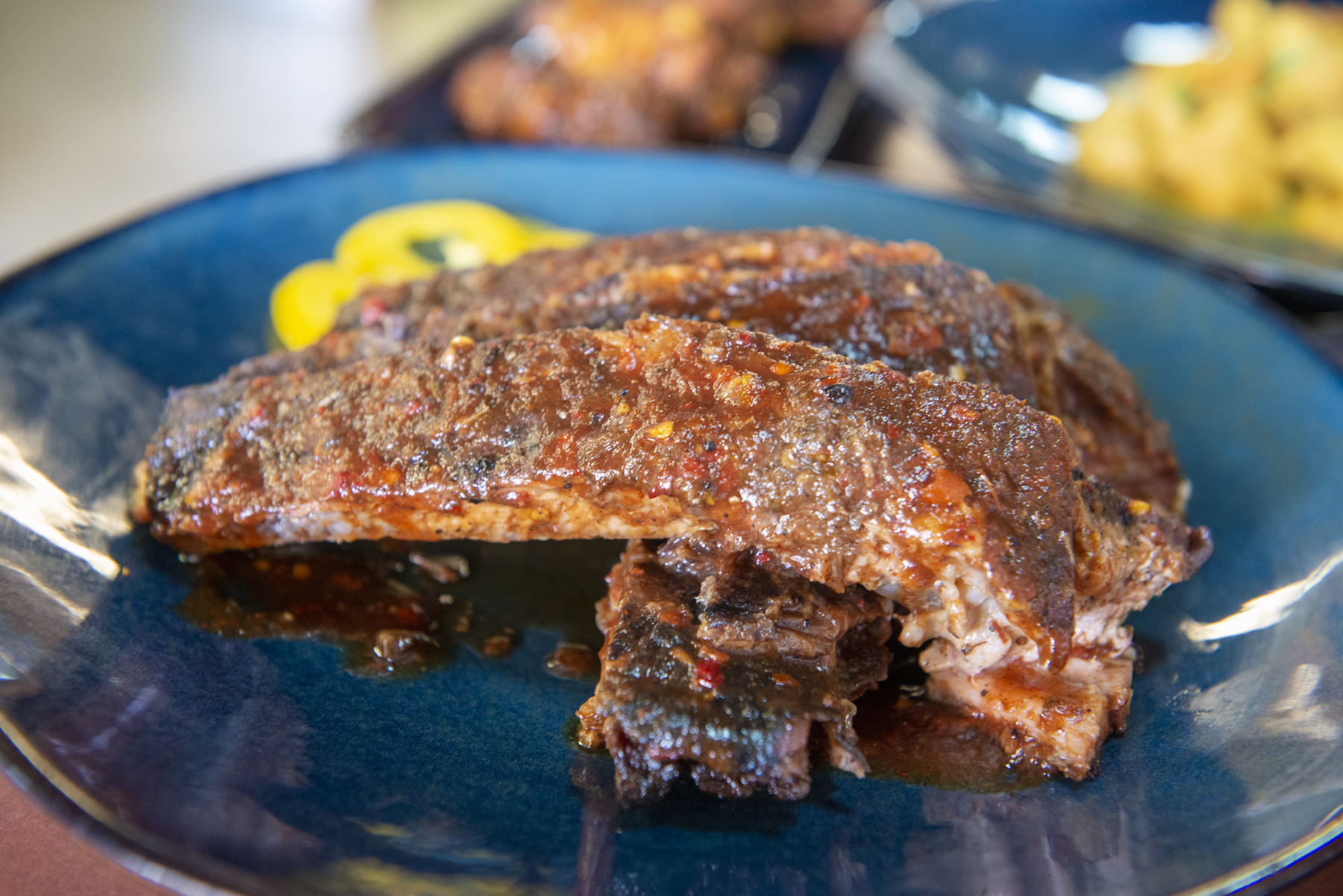
A lot of restaurants can season aggressively. Far fewer know how to build the layered flavor that defines Jamaican cooking. Heat matters, but heat alone is not the point. A strong jerk marinade should taste of Scotch bonnet, yes, but also allspice, thyme, scallion, garlic, ginger, and smoke. That last part matters more than many diners realize. Without smoke, jerk often tastes merely spicy. With smoke, it becomes savory, aromatic, and unmistakable.
The same principle applies across the menu. Curry goat should not be a generic yellow stew with tender meat dropped into it at the end. The gravy should taste developed, almost fused, with the goat carrying the spice rather than just sitting under it. Oxtail should arrive with body and gloss, the sauce thick enough to cling to rice, not watery or one-note. Even side dishes tell you a lot. Rice and peas should be fragrant with coconut and thyme, not just plain rice with beans folded in. Cabbage should retain some texture. Fried plantains should be caramelized at the edges, soft in the center, and sweet enough to offset the salt and heat elsewhere on the plate.
Denver’s strongest Caribbean kitchens usually get one crucial thing right: they cook for flavor before presentation. Jamaican food is not delicate food. It is hearty, generous, often messy in the best possible way. You should expect dark crust on the chicken, stains of gravy across the foam container or plate, and sauces that seem to improve ten minutes later when everything mingles.
Why jerk chicken is still the best test order
If you only have one shot at a restaurant, order jerk chicken. It is the easiest benchmark and the hardest dish to fake. Good jerk tells you nearly everything about the kitchen. You learn whether they understand marination, whether they https://lorenzowvge130.raidersfanteamshop.com/where-to-get-soulful-jamaican-food-in-denver can manage smoke or char, and whether they know how to balance heat with seasoning.
In Denver, where restaurants often adapt to a broad customer base, jerk can drift in two directions. One version gets toned down so far that it becomes little more than grilled chicken with a spice rub. The other chases raw heat and forgets depth. The best places avoid both traps. Their jerk chicken tastes bold first and hot second. You get blackened edges, juicy meat underneath, and a finish that lingers without flattening your mouth.
Dark meat is usually the safer choice. It holds up better to the grill, stays moist under high heat, and takes smoke more gracefully than breast meat. If a shop offers jerk chicken in quarters rather than neat sliced pieces, that is often a good sign. It usually means the kitchen is cooking in a style closer to how the dish wants to be cooked, not trimming it into something easier for a fast-casual line.
The dishes that reveal whether a kitchen has range
Jerk brings people in, but the best Jamaican food in Denver should go well beyond jerk. A serious menu shows range in technique and rhythm. You want grilled items, braises, fried snacks, and sides with distinct personalities. When a restaurant handles all of those well, it stops being a one-order spot and becomes a place you return to with purpose.
Oxtail is often the dish that separates a promising restaurant from an exceptional one. It is expensive to make, time-intensive, and unforgiving if rushed. Proper oxtail should have tenderness without collapse. The connective tissue should melt into the sauce, giving it natural richness. If the gravy tastes thin, the browning sauce dominates everything, or the meat feels stringy, the kitchen may be cutting corners.
Curry goat matters for similar reasons. Goat is leaner and often gamier than beef, so it needs patient handling. The best versions have warmth from curry powder and whole spices, but they also taste meaty, not dusty or overspiced. Denver kitchens that do this well usually have confidence across the menu.
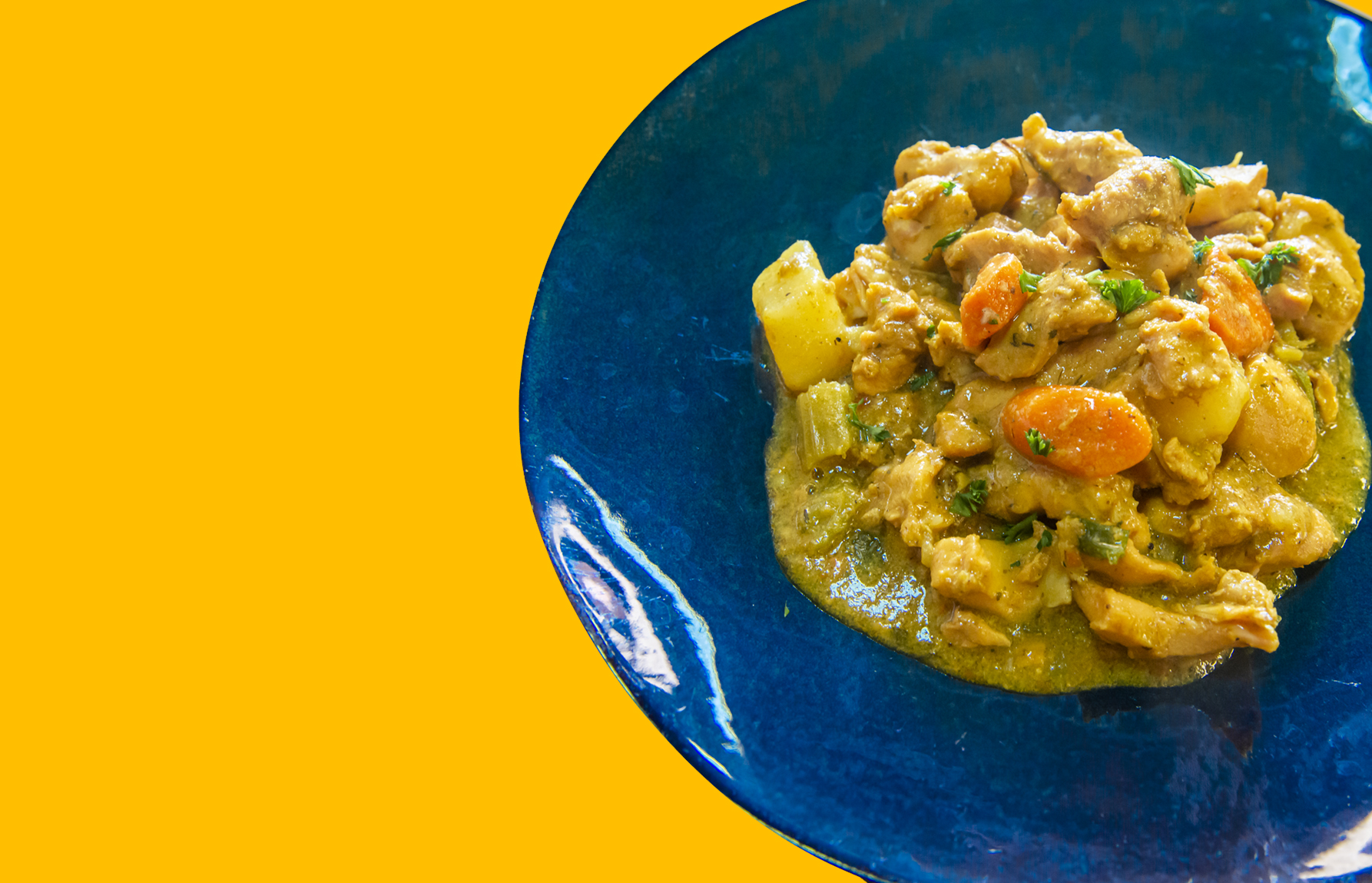
Then there are the dishes that do not get enough attention from first-time diners. Brown stew chicken, for example, can be outstanding. It lacks the celebrity status of jerk, but it often shows off a cook’s hand even more clearly. A good brown stew has balance: sweet from peppers and onions, savory from the sauce, and rich enough to coat the chicken without drowning it. Escovitch fish, when available, adds another angle with acid, spice, and crisp texture. Patties, especially beef or spicy beef, are ideal as a quick first read on a restaurant. If the pastry is flaky and the filling is well seasoned rather than greasy, the rest of the menu tends to follow suit.
Denver’s climate changes how these flavors land
One reason Jamaican food works so well here is that Denver’s weather gives it an unexpected stage. The city can swing from bright dry afternoons to sharp, cold nights in a matter of hours. That kind of climate makes food with spice, smoke, and slow-cooked depth especially satisfying.
A plate of curry goat and rice and peas has a practical appeal in Denver that goes beyond curiosity. It is filling without being heavy in the wrong way. The spice opens up in cool air. The starch and gravy actually feel useful after a long day, especially during winter or shoulder season when people want comfort but are tired of the same soups and roasted meats.
I have seen this play out in nearly every city where Caribbean food takes root outside the tropics. Dishes originally built for one environment often find surprising second homes elsewhere. In Denver, Jamaican cooking benefits from that contrast. It delivers warmth, brightness, and backbone in a city that often leans toward milder comfort food.
Where Denver’s Jamaican food scene tends to shine
Denver does not have a huge concentration of Jamaican restaurants packed into one corridor. The scene is more dispersed. That can make the search feel hit or miss if you are expecting a single neighborhood where every option is lined up within two blocks. It also means the best meals often come from places sustained by regulars rather than foot traffic.
In practical terms, some of the strongest Caribbean food around Denver has historically appeared in modest storefronts, family-run operations, market-adjacent counters, and multi-cuisine neighborhoods where diners already expect to travel for flavor. Those are usually better bets than polished spaces that put island graphics on the wall but flatten the cooking for mass appeal.
This is where judgment matters. A sparse dining room is not necessarily a red flag, especially for a cuisine with a strong takeout culture. Neither is a limited menu. Sometimes the opposite is true. A restaurant with six or eight core dishes, all cooked with conviction, often outperforms a bigger menu that tries to cover every island and every comfort food category at once.
The staff can also tell you a lot. If you ask whether the oxtail is especially good that day and get a clear, direct answer, pay attention. Kitchens that know their food tend to talk about it plainly. They do not oversell. They will tell you if they are out of something, if the curry is hotter than usual, or if the patties just came out fresh. That kind of candor usually comes with confidence.
What to order on your first visit
If you want a reliable read on a new spot, build an order with contrast rather than volume. One grilled item, one braise, and enough sides to understand the kitchen’s seasoning is usually the smartest move. That gives you more information than ordering three meats with no context.
A first meal might look like jerk chicken, one patty, rice and peas, steamed cabbage, and plantains. If you are dining with another person, swap in curry goat or oxtail for one of the items and share everything. This is not just about variety. Jamaican food is a cuisine of interplay. Sweetness offsets spice. Starch absorbs gravy. Crunchy pastry sets up tender meat. You lose that full picture if you only order one protein and plain white rice.
One small but useful trick: save some of the jerk sauce or gravy and mix it into the rice after tasting each item separately. You will learn quickly whether the sauce has depth or whether the meat is doing all the work.
Heat, spice, and the common misunderstandings
A lot of Denver diners approach Jamaican food expecting everything to be scorching. That can lead to confusion, especially if they order a dish like oxtail or brown stew chicken and find it savory rather than fiery. Jamaican cooking uses chile thoughtfully. Heat is important, but balance matters more.
Scotch bonnet peppers bring more than spice. They have a fruity intensity that shapes marinades and sauces. When handled well, they sharpen flavor rather than just attack the tongue. The best kitchens understand that some dishes should carry strong heat while others should leave room for sweetness, smoke, or richness to lead.
This matters because diners sometimes judge authenticity by how much a dish hurts. That is a poor metric. A jerk chicken with moderate heat and excellent smoke is more convincing than one with punishing spice and no complexity. Likewise, a curry goat should taste fragrant and rounded first. If your palate is numb after three bites, something has probably gone off course.
If you are sensitive to heat, ask questions without apology. Most restaurants would rather steer you properly than have you order blind and dislike the meal. If you love aggressive spice, ask whether they have homemade pepper sauce. That is often where the kitchen’s personality really comes through.
Sides are not filler, they are part of the argument
One of the easiest mistakes people make when eating Jamaican food in Denver is treating the sides as afterthoughts. That misses half the craft. In a strong Jamaican meal, the sides are not neutral support. They are active participants.
Rice and peas is the most obvious example. Done right, it carries coconut richness, herbal notes, and enough salt to stand on its own. It is not just a sponge for gravy. Plantains bring sweetness that can soften the edges of jerk or curry. Steamed cabbage adds relief and texture, especially when the rest of the plate leans dark and rich. Festival, if available, contributes a lightly sweet fried dough element that changes the whole meal. A patty on the side can shift lunch into something much more substantial than it first appears.
Pay attention to proportions. If a restaurant skimps on sides or treats them carelessly, that often shows up elsewhere on the menu. Jamaican food is built around complete plates. The meal should feel composed even when it looks rustic.
Takeout is often the right way to eat it
Some cuisines lose their charm the minute they go into a container. Jamaican food is usually not one of them. In fact, takeout can be ideal. The ride home gives the meat a few extra minutes to settle into the sauce, and the aromas collect in a way that can make the first bite even better.
This suits Denver well, where people think nothing of driving 15 or 20 minutes across town for a meal worth having. If a place is busy with takeout orders, do not take that as a downgrade from a full-service dining experience. It may simply mean the restaurant is serving its core audience efficiently.
There is one trade-off. Fried items, especially patties or fish, are best eaten quickly. Steam is not kind to crisp pastry or crust. Braised dishes, on the other hand, travel beautifully. Jerk also tends to hold up well if the kitchen packs the sauce separately or avoids drowning the meat.
If you are ordering for a group, Jamaican food scales nicely. Large trays of jerk chicken, rice and peas, and cabbage can satisfy a crowd without feeling generic. It is a better option than many people realize for game-day spreads, office lunches, and family gatherings where you want something comforting but more distinctive than pizza or sandwich platters.
The value question, and why prices can surprise people
Some diners experience sticker shock when they order Jamaican food for the first time in Denver, especially dishes like oxtail or goat. That reaction is understandable. These proteins are expensive, labor-intensive, and often produced in smaller quantities than more standard American restaurant meats. A cheap plate of oxtail is usually cheap for a reason.
Jerk chicken often offers the best value, particularly if the portions are generous and come with two substantial sides. Patties can also be a smart add-on, since they deliver a lot of flavor at a lower cost. Oxtail and curry goat should be judged a little differently. You are paying for time as much as ingredients. A properly braised oxtail dish may take hours of work before it ever reaches the service line.
Denver’s higher operating costs also shape the equation. Rent, labor, and supply chain realities affect independent restaurants more than diners sometimes appreciate. A Jamaican restaurant in Denver is not pricing against a beach shack in Montego Bay. It is pricing against urban Colorado overhead while trying to preserve a cooking tradition that is not built for shortcuts.
How to tell if a place is worth revisiting
The first meal tells you whether a restaurant is good. The second tells you whether it has depth. If you go back, switch categories. If you started with jerk, try a braise. If you had chicken, move to goat or fish. If the second meal lands with the same authority, you have probably found one of your regular spots.
A few signs usually predict that kind of consistency:
- the rice and peas tastes seasoned on its own
- the gravy is distinct from dish to dish, not the same base reused everywhere
- the jerk has smoke, not just powdered spice
- the sides arrive with care, not as filler
- the kitchen is comfortable selling out of a dish rather than serving a weak batch
That last point matters. Jamaican food takes time. If a restaurant runs out of oxtail late in the day, that can be annoying, but it can also mean they are cooking in realistic batches instead of stretching a dish past its prime. Scarcity is not always a flaw.
If you are new to Jamaican food, start here
For someone just getting into the cuisine, the smartest move is to order for balance and keep your expectations rooted in texture and seasoning, not just spice level. Aim for a meal that gives you the broad shape of the cuisine. Jerk chicken is the anchor, but do not stop there. Add one side that leans sweet and one that leans savory. If the restaurant offers patties near the register, take one for the road. You will probably wish you had.
Here is a practical first-order framework that works well almost anywhere:
| item | what to notice | | --- | --- | | jerk chicken | smoke, char, moisture, balance of heat | | rice and peas | coconut aroma, seasoning, texture | | plantains | caramelization, sweetness, softness | | steamed cabbage | freshness, bite, restraint | | beef patty | flaky pastry, spiced filling, grease level |
That combination does not require a huge budget, and it gives you a clean snapshot of what the kitchen can do.
Denver has room for more, but what is here is worth seeking out
The strongest case for Jamaican food in Denver is not that there are endless options. There are not. The case is that when you find a place doing it right, the meal stands apart from much of the city’s more predictable restaurant traffic. It tastes assertive. It tastes personal. It tastes like a kitchen cooking from memory and habit rather than trend.
That is why the search for the best jamaican food denver offers can be so satisfying. You are not just hunting for heat or novelty. You are looking for depth, smoke, patience, and the kind of plate that quiets a table for a minute because everyone is too busy eating to talk.
When you find that place, order widely, tip well, and go back. Cities build real food scenes one repeat visit at a time. Denver’s Jamaican cooking may not be the loudest part of its dining identity, but it is one of the most rewarding.
Reggae Pot Jamaican Grill
Address: 2243 S Monaco St Pkwy #104, Denver, CO 80222
Phone number: +17204102956
FAQ About Jamaican Food Denver
What is typical Jamaican food?
Typical Jamaican food features bold, vibrant flavors created by blending African, Taino, European, and Asian influences.
What is a famous Jamaican dish?
Ackee and saltfish is Jamaica's national dish, made by sautéing the soft local ackee fruit with salted cod, onions, tomatoes, and spicy Scotch bonnet peppers.
What food is most popular in Jamaica?
The most popular and famous food in Jamaica is Jerk Chicken, celebrated worldwide for its smoky, spicy flavor.