Caribbean Food Denver: Top Spots for Lunch and Dinner
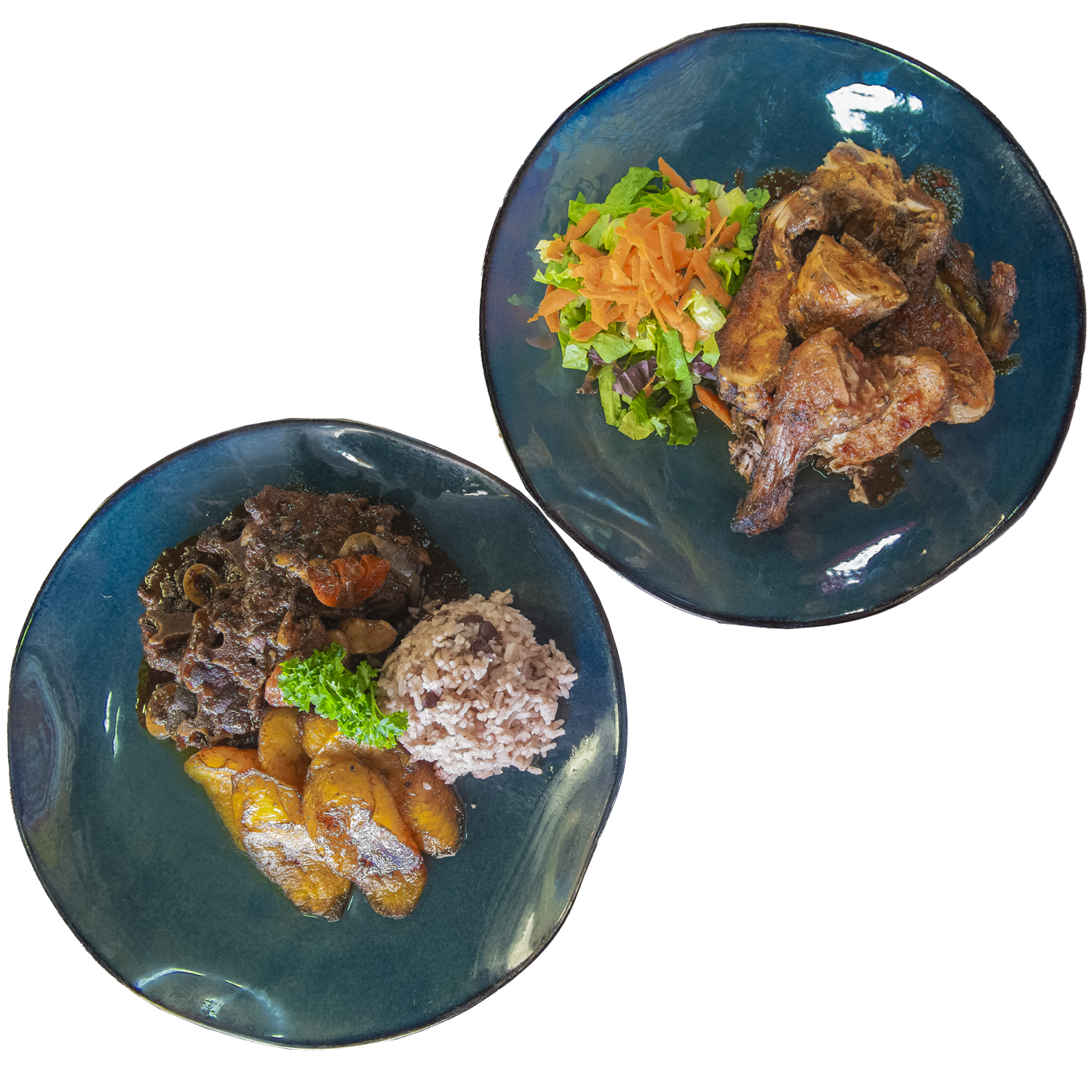
Denver is not the first American city most people associate with Caribbean cooking. The local dining identity leans toward green chile, steakhouses, breweries, and a broad sweep of newer chef-driven restaurants. Still, anyone who has spent time looking for deeply seasoned jerk, a proper Cuban sandwich, slow-cooked oxtail, or plantains that arrive hot and sweet at the edges knows there is real reward here. The scene is smaller than what you would find in Miami, Brooklyn, or South Florida, but it has personality. It also requires a little judgment.
The best Caribbean food in Denver is not all one thing. It comes through different island traditions, different price points, and different dining moods. Some places work best when you need a quick, satisfying lunch that holds up between meetings. Others make more sense when you have time for a proper dinner, a cocktail, and a table that does not need to turn in 45 minutes. If you are searching for caribbean food denver diners actually return to, the strongest options tend to be the restaurants that understand balance: smoke against sweetness, acid against richness, spice against comfort.
What follows is a practical guide to the spots worth knowing, and what each one tends to do best.
What makes a Caribbean restaurant worth your time in Denver
A good Caribbean meal rarely succeeds on novelty alone. It has to deliver seasoning first. That sounds obvious, but in a city where diners often overpraise heat and underrate depth, it matters. Jerk should not taste merely spicy. It should have layers, allspice and thyme, scallion, garlic, Scotch bonnet or a similar pepper, plus smoke. Cuban food should not stop at pressed bread and melted cheese. The pork needs savor, citrus, and enough moisture to carry the sandwich. Rice and beans, often treated as a side-note by weaker kitchens, should feel deliberate.
Denver adds another variable: altitude and dryness. Fried items can go from crisp to stale fast if they sit. Braises and stews can seem heavier in a dry climate unless a kitchen knows how to keep texture and brightness alive. Because of that, the best Caribbean food in Denver tends to be food served promptly, food with a strong marinade, or food that was built for slow cooking from the start. Oxtail, curry goat, roasted pork, stewed chicken, black beans, maduros, and rice plates tend to travel better and eat better here than delicate items trying to mimic a beach-town lightness.
Cuba Cuba, still one of the easiest places to recommend
If someone asks for a dependable Caribbean-leaning lunch in Denver and wants a sit-down restaurant rather than a grab-and-go counter, Cuba Cuba usually enters the conversation quickly. That is not because it covers the entire Caribbean map. It does not. It is because Cuban food remains one of the most accessible entry points into the region’s cooking for a broad Denver crowd, and this restaurant has long understood how to package that appeal without flattening the flavor.
The room has energy, and the food generally meets the setting. For lunch, the obvious order is often the right one: a Cuban sandwich with roast pork, ham, Swiss, pickles, and mustard on pressed bread. A good version lives and dies on proportion. Too much mustard and everything turns sharp. Dry pork and the sandwich becomes a chore. At its best, the sandwich here lands where you want it, crisp outside, warm and salty inside, with enough acid from pickles to keep the richness from dragging. Black beans and rice, when done properly, do more than fill space on the plate. They create that second rhythm in the meal, earthy and soft against the crunch of pressed bread.
Dinner is where Cuba Cuba works better for people who want a fuller table. This is the kind of place where one person can order a composed entrée while another still wants a sandwich and no one feels out of place. It is also useful if you are dining with people who say they want Caribbean food but are not necessarily looking for a deeply niche or highly traditional experience. That is not a knock. Every city needs restaurants that bring diners in and then teach them, gently, why roast pork, yuca, plantains, and beans matter.
The trade-off is that a popular restaurant with a broad following can sometimes feel more polished than intimate. If you want a tiny spot with steam rising from the pans and the sense that someone cooked this exactly the way their family did, this may not scratch that itch. If you want a comfortable, recognizable, flavor-forward meal that works for both lunch and dinner, it earns its place.
Jamaica Jamaica, where the plate matters more than the room
When people want Jamaican food in the Denver area, Jamaica Jamaica is one of the names that comes up again and again, and for good reason. The draw here is not elaborate presentation or destination dining theater. It is the food itself, especially if what you want is a proper plate built around jerk chicken, curry goat, oxtail, or stewed meats with sides that carry their weight.
This is the kind of restaurant where lunch can feel especially satisfying because the format is straightforward. You order a plate, you get a real meal, and there is very little ambiguity about why you came. Good Jamaican cooking has a way of feeling both bold and grounded. You smell the spice first, then the savor of the meat, then the sweetness of plantains or the comfort of rice and peas. When it is on, it does not need embellishment.
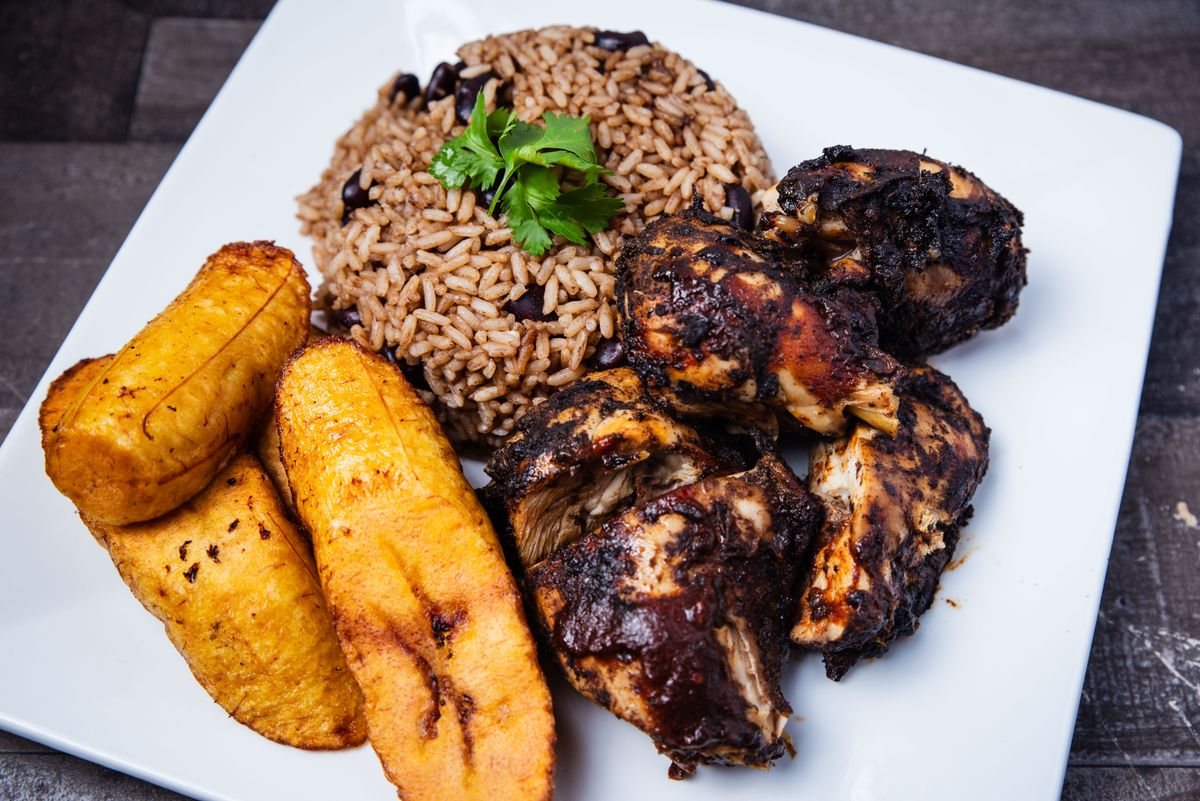
Jerk chicken is often the litmus test for a first visit. A serious jerk profile should have smoke, chile, warm spice, and enough herbal character to keep the heat from becoming one-note. In many American restaurants, jerk gets dulled down into generic spicy grilled chicken. The better versions keep the marinade assertive. The same goes for curry goat. It should be tender, yes, but also fragrant, with spice that settles into the sauce rather than sitting on top of it. Oxtail, if available and prepared well, remains one of the most persuasive dishes in the Caribbean canon. It is rich, sticky, gelatinous in the best sense, and balanced by rice, beans, or cabbage.
For dinner, Jamaica Jamaica makes the strongest case when you are hungry and want food with substance. Not every dinner needs tiny portions and wine notes. Sometimes you want a serious braise, a little heat in the back of the throat, and leftovers worth carrying home. This is that category of place. The room may not be the point. The food is.
One practical note from experience: with cuisines built on long marination and slow cooking, consistency often tracks with timing. Peak service can be great because turnover is high and the kitchen is in rhythm, but very late visits can mean certain dishes are sold out or less ideal. That is not a flaw, exactly. It is often the mark of food made in batches rather than engineered for infinite sameness.
Bang Up to the Elephant, a different kind of Caribbean night out
Not every Caribbean-leaning restaurant in Denver aims for strict tradition, and that is where Bang Up to the Elephant fits into the conversation. This is a more stylized, more playful take on island influences, and it works best when you understand what you are walking into. If Jamaica Jamaica is about the plate, Bang Up tends to be more about atmosphere, drinks, and a broader interpretation of tropical flavor.
That makes it especially useful for dinner. There are nights when you want the deeply homey side of Caribbean cooking, and there are nights when you want a lively room, a cocktail, a few dishes to pass around, and food that borrows from the region while still playing to Denver’s dining culture. Bang Up has often appealed to exactly that second group.
The menu direction matters here. You may see tropical ingredients, spice, coconut, fruit, herbs, and rum-inflected ideas used in ways that are less about replication and more about interpretation. Sometimes that produces memorable results. Sometimes it means a dish feels inspired by the Caribbean rather than rooted in it. Whether that is a drawback depends on your expectations. If you are evaluating authenticity in a narrow sense, this might not be your first stop. If you are deciding where to take friends for a fun dinner that still points toward island flavors, it has a real role.
There is a recurring pattern in cities like Denver where Caribbean cuisine gains visibility first through destination-style restaurants, then later through more specialized kitchens. Bang Up belongs to that first mode. It opens the door. For many diners, that is enough. For others, it serves as the place you enjoy on a Friday night before spending Saturday looking for a more traditional jerk plate.
Lunch versus dinner, and why the same restaurant can feel different at each
One mistake people make when exploring caribbean food denver options is assuming the same order works equally well at noon and at eight o’clock. It usually does not. Caribbean food is broad, but it tends to reward matching the meal to the moment.
At lunch, sandwiches, rice plates, patties if available, and jerk chicken tend to make the most sense. You get speed, clarity, and enough flavor to feel like you ate something real without drifting into a food coma. Cuban food especially shines here. Pressed sandwiches, roast pork, black beans, and plantains can hit that rare middle ground between quick and satisfying.
Dinner gives braises and richer entrées more room. Oxtail, curry goat, stewed chicken, and larger platters come into their own when you are not trying to get back to work. This is also when sides matter most. Rice and peas can absorb sauce. Cabbage can brighten a heavy main. Plantains can add sweetness that rounds out spice. A lot of Caribbean meals are built on that conversation between components. Dinner lets you hear the whole thing.
If you are deciding where to go based on appetite rather than cuisine label, a simple rule tends to help:
- Choose Cuba Cuba for a lunch that needs to please a mixed group.
- Choose Jamaica Jamaica when you want the plate itself to be the main event.
- Choose Bang Up to the Elephant when dinner includes drinks, atmosphere, and a looser interpretation of island flavors.
What to order if you want the clearest read on a kitchen
A first visit goes better when you order dishes that expose a restaurant’s strengths instead of hiding them. Caribbean food gives you several reliable benchmarks.
Jerk chicken tells you whether a kitchen respects seasoning and smoke. If it tastes only of heat, something is missing. Curry goat tells you about patience, balance, and stew technique. Oxtail reveals whether the kitchen can handle richness without making the dish feel muddy. A Cuban sandwich shows discipline, because proportion matters as much as ingredients. Plantains and rice dishes tell you whether the restaurant treats sides as support or as a serious part of the meal.
The best restaurants often show care in those supposedly simple components. Rice should have flavor. Beans should not taste like an afterthought. Cabbage should do more than occupy a corner of the plate. When those elements are right, you can trust the rest more.
Denver’s Caribbean scene is compact, which changes how you should search
In larger markets, you can separate restaurants by island, neighborhood, budget, and level of formality with ease. Denver is different. The scene is narrower, and that means diners often need to search with a little flexibility. If you insist on only one national tradition, only one zip code, or only one exact service style, your options shrink fast.
That does not mean the city lacks quality. It means quality shows up in pockets. A Cuban restaurant may be your best weekday lunch. A Jamaican spot may be your most satisfying hearty dinner. An island-inspired cocktail restaurant may be the right answer for a group outing. The useful approach is to look at what each place actually does well instead of demanding that every restaurant represent the whole Caribbean.
This is particularly important for newcomers who arrive from cities with larger immigrant communities and expect instant one-to-one comparisons. Denver will probably not give you a dozen excellent options in every category. It can still give you enough for a very good eating life if you know how to read the room, the menu, and the timing.
A few signs you are ordering wisely
The smart move is not always the menu item with the flashiest description. In Caribbean restaurants, some of the most satisfying dishes are the ones that sound almost plain on paper. Roast pork with rice and beans. Curry goat. Oxtail. Jerk chicken. Fried plantains. Yuca. These are food memories for a reason. They hold up because they are built on method, not decoration.
If you are with a group, it often makes sense to build some contrast into the table. A pressed sandwich or lighter lunch plate can sit next to a heavier braise. Sweet plantains can soften a spicy entrée. A sharp, citrusy pork dish can balance something rich and slow-cooked. This is one cuisine category where caribbean food denver side dishes genuinely change the shape of the meal.
A few practical habits make a difference too:
- Ask what is selling especially well that day, particularly for stews and braises.
- Order at least one classic side, even if you think you came only for the main.
- If you are heat-sensitive, ask how the kitchen handles spice rather than assuming.
- For dinner, give yourself time. The best dishes in this category are not fast-food ideas.
Where each spot fits best
Cuba Cuba remains one of the easiest all-around recommendations because it handles lunch especially well and still holds up at dinner. It works for dates, work lunches, family meals, and first-timers. The menu gives enough range that almost anyone can find a way in. If your measure of success is whether everyone leaves happy, it is strong.
Jamaica Jamaica is the better choice when what you really want is Jamaican comfort and depth. This is for the diner whose priorities start with flavor density, proper seasoning, and a plate that feels substantial. It is less about scene, more about the food doing the talking.
Bang Up to the Elephant belongs on the list because restaurants are not judged by only one standard. Sometimes the right pick is the place that delivers a pleasant, lively night with recognizable island influence and drinks that fit the mood. For a dinner out with friends, that can be exactly right.
The local reality, and why it is still worth exploring
Part of the pleasure of searching for Caribbean food in Denver comes from the fact that it is not overpackaged. You still have to seek it out. You still have to pay attention to what each kitchen is actually trying to be. That effort tends to make the good meals more memorable.
There is also something encouraging about the way Caribbean flavors continue to resonate here. Denver diners respond to smoke, char, braise, citrus, pepper, sweetness, and starches that comfort without boring. In other words, they respond to the very qualities that make Caribbean cooking so enduring. The city may never become a national capital for the cuisine, but it does not need to. It only needs a handful of places that cook with conviction.
For lunch, start with the spots that deliver direct, satisfying classics. For dinner, lean into restaurants that understand mood as well as flavor. If you do that, the search for caribbean food denver diners actually crave becomes far less complicated. You are not looking for sheer quantity. You are looking for kitchens that season boldly, respect the tradition they reference, and know how to send out a plate that feels complete.
That standard narrows the caribbean food denver Reggae Pot Jamaican Grill field, but it also points you toward the right meals. And in a city where great Caribbean food can still surprise people, that makes the search worth it.
Reggae Pot Jamaican Grill
2243 S Monaco St Pkwy, Suite 104
Denver, CO 80222
(720) 410-2956
FAQ About caribbean food denver
What is a typical Caribbean meal?
Caribbean cuisines vary by island. A Jamaican meal might pair jerk chicken or oxtail with sides such as rice and peas, cabbage, or fried plantains.
What is Jamaica’s national dish?
Ackee and saltfish is widely recognized as Jamaica’s national dish. Check the current menu for availability.
Is Caribbean jerk the same as Jamaican jerk?
Jerk is a Jamaican cooking tradition associated with seasoning and slow cooking or grilling. The exact heat level and preparation vary by cook.